9 Yoga Poses For Relaxation That Can Provide Instant Relief From Stress

Yoganga Healing • October 9, 2023

In today's fast-paced world, stress has become an almost constant companion for many. The demands of work, family, and daily life can take a toll on our mental and physical well-being. Fortunately, there are natural and effective ways to combat stress, and one of the most popular methods is practicing yoga. Yoga not only helps increase flexibility and strength but also provides a sense of calm and relaxation.


In this article, we will explore nine yoga poses that can offer instant relief from stress.

9 Yoga Poses For Relaxation

9 Yoga Poses For Relaxation

1 Child's Pose (Balasana)

2 Cat-Cow Pose (Marjaryasana-Bitilasana)

3 Downward-Facing Dog (Adho Mukha Svanasana)

4 Triangle Pose (Trikonasana)

5 Legs Up the Wall Pose (Viparita Karani)

6 Corpse Pose (Savasana)

7 Bridge Pose (Setu Bandha Sarvangasana)

8 Seated Forward Bend (Paschimottanasana)

9 Lotus Pose (Padmasana)


Now, let's dive into each of these yoga poses and discover how they can provide instant relief from stress


1. Child's Pose (Balasana)

Child's Pose is a gentle yoga pose that helps relax the body and mind. Begin by kneeling on the floor, sitting back on your heels, and reaching your arms forward. Rest your forehead on the ground, and take deep breaths. This pose gently stretches the back and releases tension in the shoulders, making it perfect for stress relief.


2. Cat-Cow Pose (Marjaryasana-Bitilasana)

The Cat-Cow Pose is a dynamic combination of two poses that helps to release tension in the spine and improve flexibility. Start on your hands and knees, arching your back like a cat (Bitilasana) and then lifting your head and tailbone like a cow (Marjaryasana). This fluid movement can help relieve stress by promoting spinal flexibility and relaxation.

3. Downward-Facing Dog (Adho Mukha Svanasana)

The Downward-Facing Dog is a classic yoga pose that not only strengthens the entire body but also helps to calm the mind. Begin in a push-up position and lift your hips towards the ceiling, forming an inverted V shape. This pose stretches the entire body, releases tension in the spine, and can provide instant relief from stress.


4. Triangle Pose (Trikonasana)

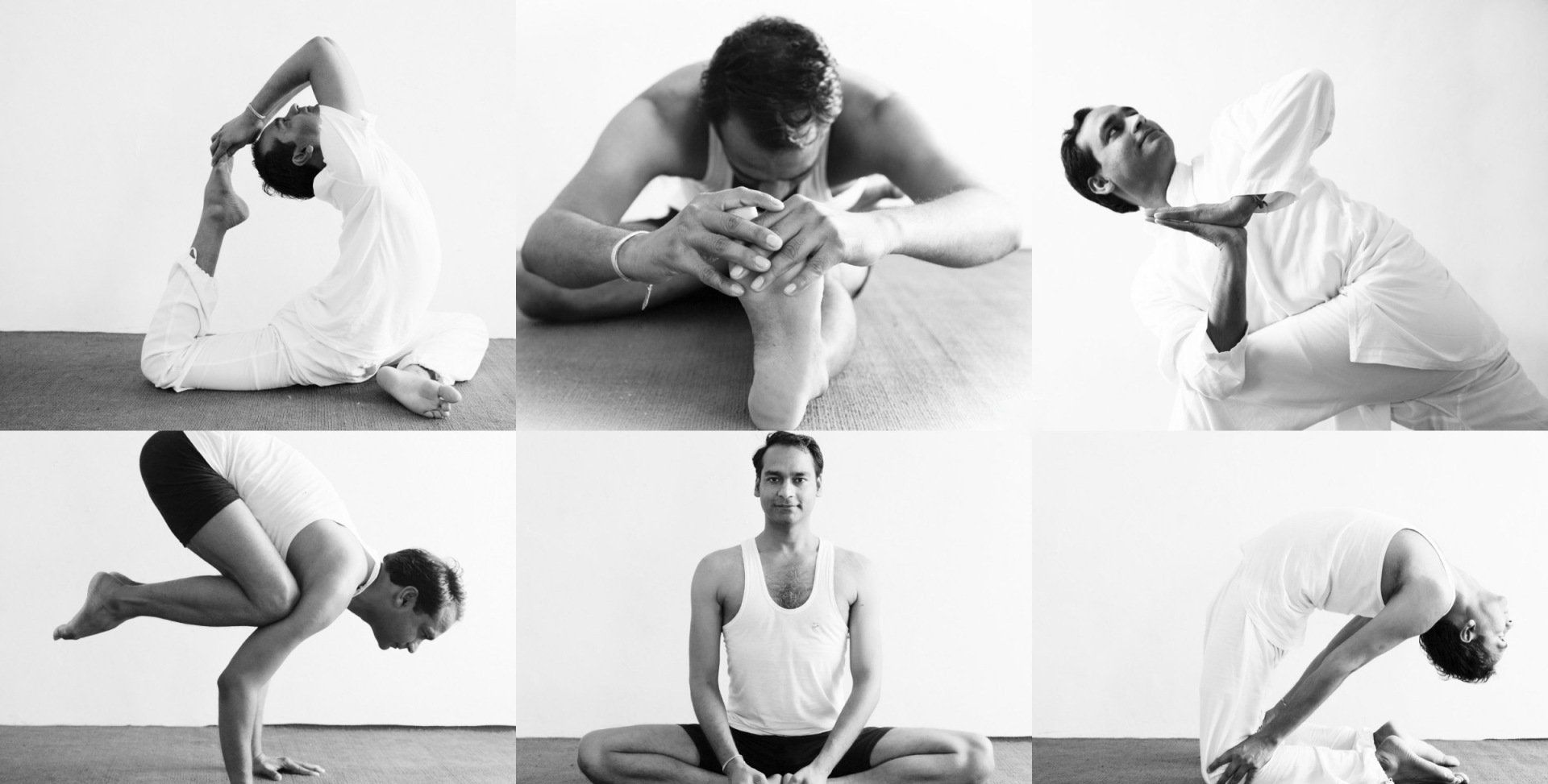
Trikonasana is a standing pose that stretches the sides of the body and promotes relaxation. Start with your feet wide apart, extend one arm down to touch your ankle, and raise the other arm towards the ceiling. This pose opens the chest and stretches the legs, reducing stress and increasing energy flow.
9 Yoga Poses For Relaxation

5. Legs Up the Wall Pose (Viparita Karani)

Legs Up the Wall is a restorative pose that allows blood to flow back to the heart and calms the nervous system. Lie on your back with your legs against a wall, forming an L shape. This pose is excellent for reducing anxiety and stress, as it encourages deep relaxation.


6. Corpse Pose (Savasana)

Savasana, also known as the Corpse Pose, is the ultimate relaxation pose. Lie flat on your back, close your eyes, and let go of all tension in your body. This pose promotes deep relaxation and is often used at the end of a yoga session to calm the mind and reduce stress.


7. Bridge Pose (Setu Bandha Sarvangasana)

The Bridge Pose is a backbend that stretches the spine and chest while reducing stress and anxiety. Lie on your back with your knees bent and feet flat on the floor. Lift your hips towards the ceiling, creating a bridge shape with your body. This pose can help release tension in the lower back and promote a sense of well-being.

8. Seated Forward Bend (Paschimottanasana)

The Seated Forward Bend is a calming yoga pose that stretches the spine, hamstrings, and lower back. Sit with your legs extended in front of you and reach forward to touch your toes. This pose encourages relaxation and can alleviate stress by releasing tension in the back and shoulders.


9. Lotus Pose (Padmasana)

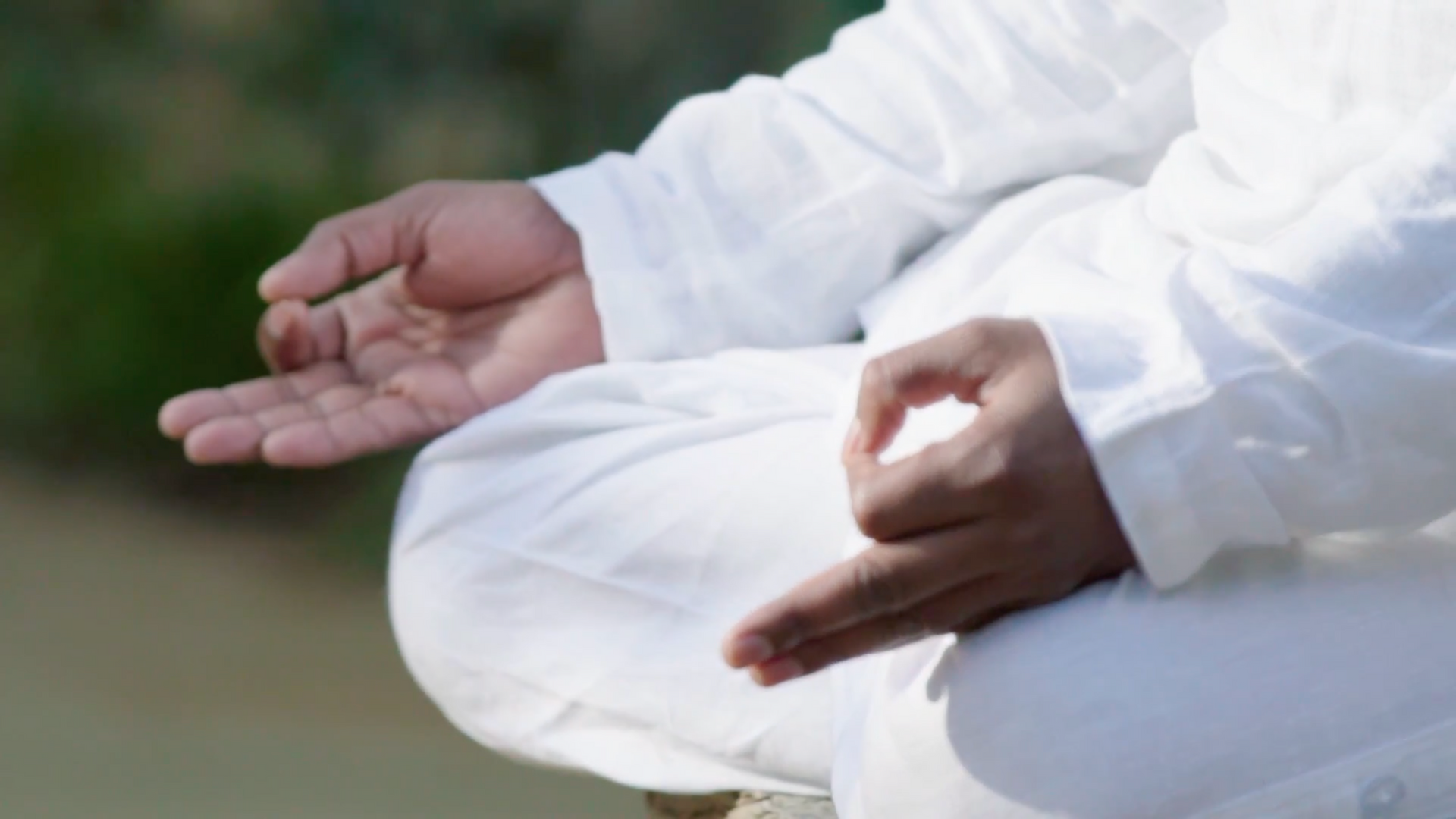
The Lotus Pose is a seated meditation pose that helps quiet the mind and reduce stress. Sit with your legs crossed and your feet resting on the opposite thighs. This pose promotes deep concentration and can be used for meditation to relieve stress and anxiety.

Conclusion

Incorporating these nine yoga poses into your daily routine can provide instant relief from stress and promote overall well-being. Remember to focus on your breath and perform these poses mindfully to maximize their benefits. By practicing yoga regularly, you can achieve a sense of calm and relaxation in the midst of life's daily pressures.

Book Yoga Classes

FAQs

  • How often should I practice these yoga poses for stress relief?

    It's recommended to practice these poses daily or as needed to manage stress effectively.


  • Can beginners do these yoga poses?

    Yes, most of these poses are beginner-friendly, but it's essential to start slowly and listen to your body.


  • Is yoga a substitute for professional stress management or therapy?

    Yoga can complement stress management strategies, but it's essential to seek professional help if you're dealing with severe stress or anxiety.


  • Are there any specific breathing techniques to use with these poses?

    Deep, mindful breathing is essential for stress relief during yoga. Focus on slow, steady breaths in each pose.


  • Can children and older adults benefit from these yoga poses for stress relief?

    Yes, these poses can be adapted for people of all ages, but it's advisable to consult a yoga instructor for personalized guidance.

New Paragraph

Discover More Articles

July 8, 2026
Learn the meaning of Soham meditation, the natural mantra of breath. Discover how Soham mantra meditation supports inner peace, self-awareness, stress relief, and daily yoga practice.
By Sunil Sharma June 25, 2026
Understand how ego often hides insecurity, fear, and inner resistance. Learn a gentle healing approach through acceptance, softness, self-awareness, and emotional transformation.
May 11, 2026
Discover mudras in Hatha Yoga, their meaning, benefits, and how they work to balance energy, calm the mind, and support inner healing.
March 6, 2026
Rishikesh is often called the Yoga Capital of the World, and every year thousands of people travel here to explore yoga, meditation, and traditional spiritual practices. For many seekers, the journey to Rishikesh is not only about learning yoga techniques but also about discovering a deeper connection with themselves. Among the many yogic practices taught here, pranayama holds a very special place. Pranayama is the art of working with the breath to balance the body, calm the mind, and cultivate awareness. For this reason, many students travel to India specifically to experience a pranayama retreat in Rishikesh, where the practice can be learned in its traditional setting. Recently, a travel and wellness blog shared an honest review of the Yoganga Healing 10-Day Pranayama Healing Retreat in Rishikesh, describing the experience of learning breath awareness in a calm and supportive environment dedicated to classical yoga. You can read the original review here: https://orchids-to-olives.com/10-day-pranayama-retreat-in-rishikesh-india-honest-review-of-yoganga-healing/ In this article, we would like to share a simple overview of what participants often experience during the Yoganga Healing Pranayama Healing Retreat, and reflect on the journey described in that review.
February 13, 2026
Today, many people feel stressed, overwhelmed, or emotionally tired — even when life seems normal from outside. You may have work. You may have family. You may have stability. Yet something inside feels restless. In yoga, this is often understood as disconnection from ourselves . When the body and mind are in rhythm, life feels natural and easy. When they are disconnected, life feels heavy and complicated. You may notice: You are tired but cannot sleep. You are resting but cannot relax. You are successful but not fulfilled. This is not a failure. This is simply a signal — calling you back to yourself. Self-awareness is the bridge that reconnects body, mind, and inner being. Not through force. Not through analysis. But through direct experience. What is Self-Awareness? (Simple Meaning) Self-awareness means noticing: What you feel in the body What emotions are present What thoughts are running How you react to situations It is simply being present with yourself . In yoga, self-awareness is considered the foundation of healing. Because you cannot release what you do not notice. You cannot transform what you are not aware of. Self-awareness is not something you learn intellectually. It is something you experience through the body, breath, and presence. Why Many People Lose Self-Awareness Modern life keeps us in constant mental activity. Thinking about: Future, Past, Expectations, Responsibilities, Social comparison, Performance pressure. Slowly, we start living more in the mind and less in the body. When this happens, we stop listening to signals like: Fatigue Emotional discomfort Body tension Shallow breathing Restlessness This creates: Chronic stress Emotional overload Anxiety patterns Poor sleep Tension stored in body Yoga says something very simple and very powerful: Relaxation is your natural state. Stress is something that comes and goes. But relaxation is built into your nervous system.Self-awareness helps you return to this natural state. Not by forcing relaxation. But by removing what blocks it. Understanding Consciousness: The Three Levels of Awareness To understand self-awareness deeper, yoga looks at consciousness in layers. 1️⃣ Reactive Awareness (Automatic Survival Mode) This is where reactions happen automatically. Example: Seeing a snake photo → body reacts like real danger. This layer is helpful for survival. But if we live only here, life becomes reactive and stressful. In this state: We react before understanding. We feel before observing. We act before thinking clearly. 2️⃣ Peripheral Awareness (The Space of Transformation) This is the most important space for emotional healing. Here you can: Notice reactions Observe emotions Feel body signals Pause before reacting There is a tiny gap between impulse and action. That tiny gap is freedom. Inside this gap: You can choose response over reaction. You can understand instead of suppressing. You can release stress instead of storing stress. Yoga practices help expand this gap. 3️⃣ Integrated Awareness (Higher Consciousness State) Here we experience: Clarity Intuition Creativity Inner stability This is where spiritual growth naturally begins. Not as something mystical — but as something deeply natural. How Yoga Helps Develop Self-Awareness
February 4, 2026
Kundalini awakening is not a future event, and it is not reserved for special people. It begins the moment we start to question our life and our deeper nature: Who am I? Why am I living this way? Is there something deeper? That very questioning is Kundalini guiding awareness inward. Awakening is not something that happens later — it is always available here and now. Yet, Kundalini awakening is also one of the most discussed and misunderstood subjects in yoga today. It is often surrounded by fear, mysticism, dramatic experiences, and misinformation. In classical yoga, however, Kundalini is understood in a very different way — as a natural, gradual, and healing inner process. At Yoganga Healing, we approach Kundalini not as a brand or a force to be awakened forcefully, but as Shakti, the universal life energy that already sustains our body, mind, and consciousness. When the right conditions are created through breath, awareness, and balance, this Shakti supports inner healing, clarity, and spiritual growth. In this blog, Kundalini is explored from the perspective of classical yogic texts and lived yogic practice, offering a grounded understanding rooted in healing rather than force. What Is Kundalini According to Classical Yoga? To understand Kundalini clearly, we must first step away from fear, myths, and exaggerated ideas. In classical yoga, Kundalini is described as universal Shakti — the creative intelligence that sustains all life. This Shakti is not something outside of us. It is the same energy that: Allows us to breathe naturally Supports digestion and circulation Sustains thought, awareness, and perception Enables growth, healing, and transformation Kundalini is not inactive or asleep. It is already functioning at every moment of our life. It is described as “dormant” only because we are not consciously participating in its higher potential. Yoga exists to help us reconnect with this natural intelligence — not by creating energy, but by removing obstacles so that Shakti can express itself more fully and harmoniously. Kundalini Is Already Working Within You 

Ready to Begin Your Healing Journey?

Discover Peace—Spaces Fill Quickly, So Reserve Today